
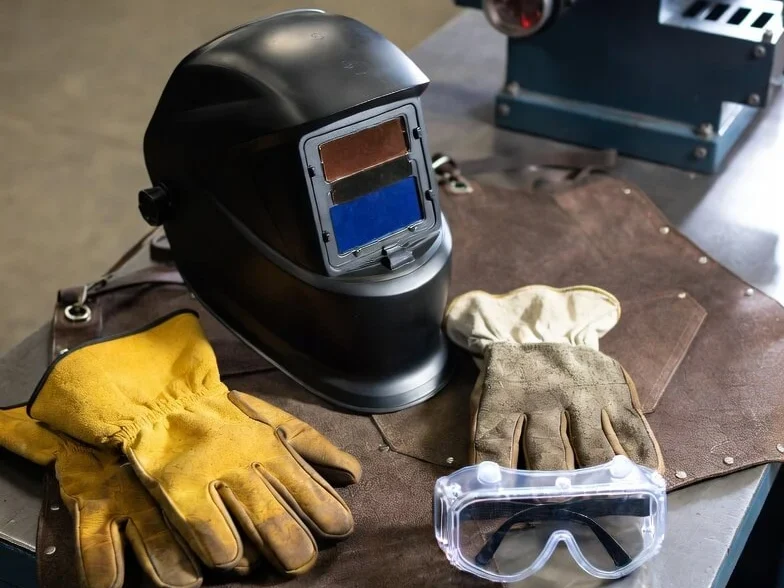
Welding is a crucial process in various industries, but it comes with inherent risks that can impact the health and well-being of welders. To mitigate these risks, the proper selection and use of Personal Protective Equipment (PPE) are essential. This article delves into the specific welding PPE requirements for welding tasks, highlighting the importance of safeguarding welders from potential hazards.
Understanding Welding Hazards:
- Describe the various hazards associated with welding, such as intense light, heat, sparks, electric shock, fumes, and gases.
- Explain how these hazards can affect welders’ health, ranging from immediate injuries to long-term health issues.
Essential Welding PPE
1. Welding Helmets:
- Discuss the significance of welding helmets in protecting the eyes and face from intense light, UV radiation, and sparks.
- Explain the features of modern auto-darkening helmets and their benefits over traditional passive helmets.
- Emphasize the importance of proper helmet maintenance for optimal performance.
2. Eye and Face Protection:
- Detail the types of eye protection options, such as safety glasses, goggles, and face shields.
- Explain how different eye protection options are suitable for various welding tasks and environments.
3. Protective Clothing:
- Highlight the role of flame-resistant clothing in shielding welders from sparks and molten metal.
- Discuss the importance of covering exposed skin to prevent burns and UV radiation exposure.
- Explain the different types of welding aprons, jackets, and coveralls available and their materials.
4. Respiratory Protection:
- Address the dangers of welding fumes and gases and the potential respiratory health risks.
- Discuss the types of respirators used in welding, including disposable masks and powered air-purifying respirators (PAPRs).
- Emphasize the necessity of selecting respirators suitable for the specific welding environment and contaminants.
5. Hand and Arm Protection:
- Explain the need for welding gloves to protect against heat, sparks, and potential burns.
- Discuss different types of welding gloves, such as leather gloves with heat-resistant lining, and their appropriate use.
6. Hearing Protection:
- Highlight the risk of hearing loss due to high noise levels in welding environments.
- Describe the types of hearing protection, such as earplugs and earmuffs, and their noise reduction capabilities.
PPE Selection Guidelines:
- Provide guidelines for selecting the appropriate PPE based on the type of welding process (e.g., arc welding, MIG welding, TIG welding) and the materials involved.
- Emphasize the importance of proper fit and comfort to ensure that welders are more likely to wear PPE consistently.
Training and Proper Usage:
- Stress the significance of training welders on the proper use and maintenance of PPE.
- Highlight the importance of checking PPE regularly for signs of wear and tear and replacing damaged equipment promptly.
Employer Responsibilities:
- Discuss the responsibilities of employers in providing suitable PPE to their welding workforce.
- Highlight the role of risk assessments in determining the appropriate PPE for different tasks.
Conclusion
Welding PPE plays a crucial role in safeguarding welders from the diverse hazards associated with the welding process. By adhering to proper welding PPE requirements, both welders and employers can create a safer working environment, reduce the risk of injuries, and promote a culture of welding safety.

With 8 years of experience a senior welding instructor and safety equipment researcher and writes articles, reviews and guidelines on helmets and other welding and safety gears at Welder Choice, and other written works have been published in various publications.